🇪🇺 Europe 13
🇪🇸 Spain🇦🇹 Austria🇸🇪 Sweden🇨🇿 Czech Republic🇫🇷 France🇩🇰 Denmark🇩🇪 Germany🇮🇹 Italy🇬🇧 United Kingdom🇵🇹 Portugal🇭🇺 Hungary🇧🇪 Belgium🇨🇭 Switzerland
"To make sustainability economically irresistible."
Members in 30+ countries and counting.
The problem with environmentalism is not a lack of good intentions.
Its shortcoming lies in its strategic architecture.
The Rational Project converts a moral imperative into an optimal system.
Present economic systems can fail to internalize environmental costs. As a result, short‑term rationality mutates into long‑term irrationality.
This is a textbook case of market failure: the cost of carbon emissions is rarely paid by the party that emits them, so prices stop reflecting reality. Individuals and companies keep making locally rational decisions that add up to a collectively irrational outcome — more emissions, more climate risk, and a shrinking window to act. We unpack this mechanism, and what to do about it, in our full thesis.
To render sustainable behavior the default rational choice for every actor.
That means individuals who no longer have to choose between their wallet and their conscience, businesses that compete on efficiency rather than compliance, and governments that can defend climate policy on its economics rather than its optics. When the rational choice and the sustainable choice are the same choice, adoption stops depending on willpower.
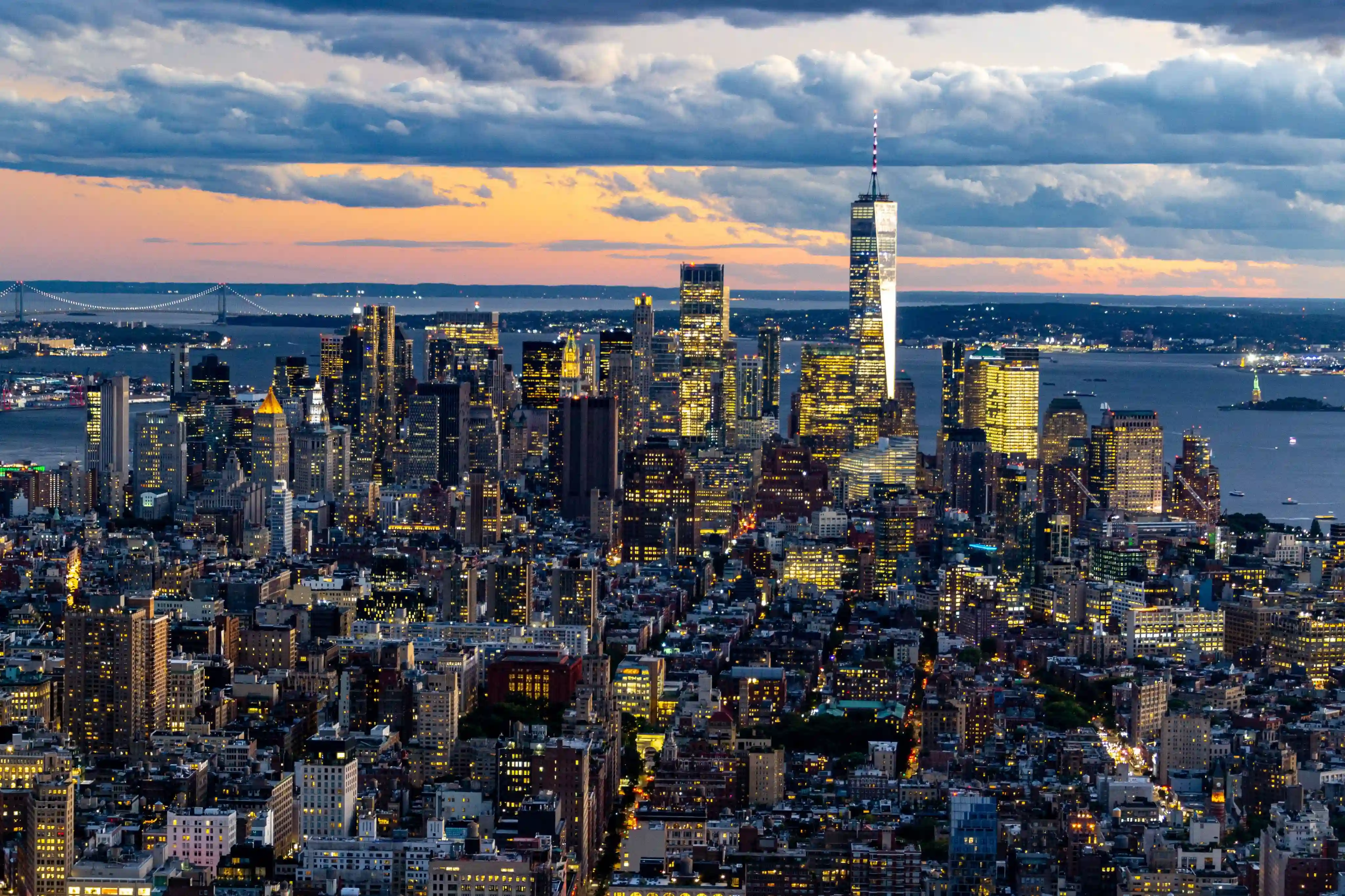
Global network
Our process is intentionally linear, moving from diagnosis to leverage to delivery so that no idea skips the step that would have made it credible.
Decode a system before proposing to fix it — the incentives, the missing price signals, and the imbalances they create.
Pinpoint the few leverage points where a policy or a price change reshapes incentives for an entire market, not just one behavior.
Convert strategy into execution: a proposal, a prototype, or a partnership that a real institution can actually adopt.

Nothing here was designed top-down. Each layer of the structure exists because it turned out to be the most effective way to convert an idea into something that changes a real decision — a company's, a regulator's, or a consumer's.
Growing network
The Rational Project is a growing network of Architects in 30+ countries, organized into five poles, each carrying a distinct mandate. No pole works in isolation — a policy proposal is only as good as the data behind it, and a dataset is only useful once it reaches someone who can act on it.
Leads economic modeling, scenario analysis, and data science.
Builds regulatory frameworks, carbon pricing, and climate diplomacy.
Designs and tests the technical solutions our models point to.
Translates complex data into narratives ready for boardrooms, classrooms, or newsletters.
Manages alliances, recruitment, and internal operations.
Our thinking
"Climate action must stop being perceived as a moral constraint, and become a rational choice — the most attractive one, economically and strategically, for individuals, businesses, and public decision-makers."
— Our Thesis
Read the full thesis →Scrutiny
We'd rather answer the strongest criticism directly than avoid it. A few of the objections we hear most often:
Comparing every product to its category's median — price, durability, efficiency — so the rational choice and the low-carbon choice are the same choice.
And sustainability is the economic norm there.